The Hiking Judge: William O. Douglas and the C&O Canal
by Jake Sawyer
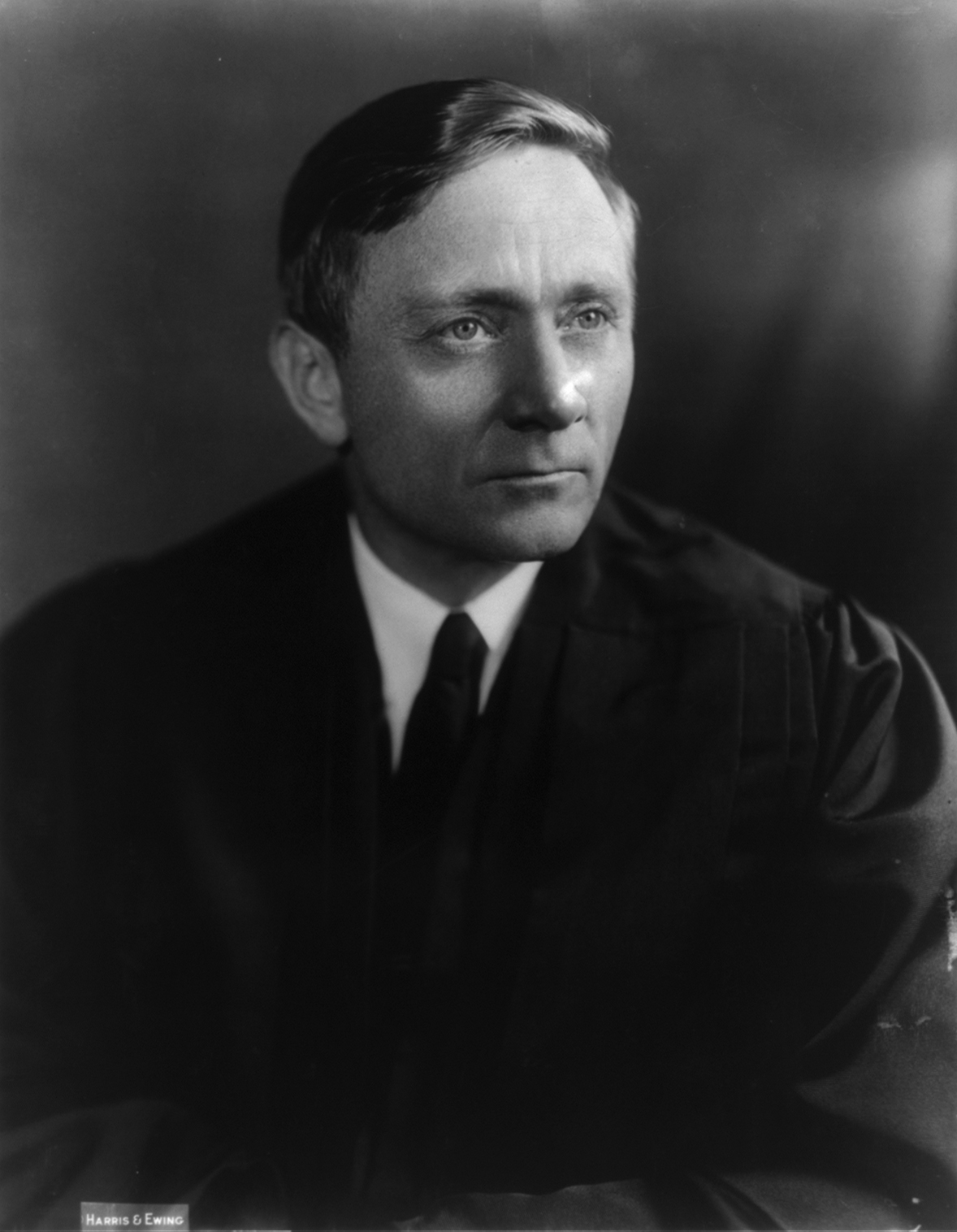
If you talk to enough members of DCUL, you’ll find a number of lawyers in our club. If he had the chance, Supreme Court Justice William O. Douglas would have been one of them.
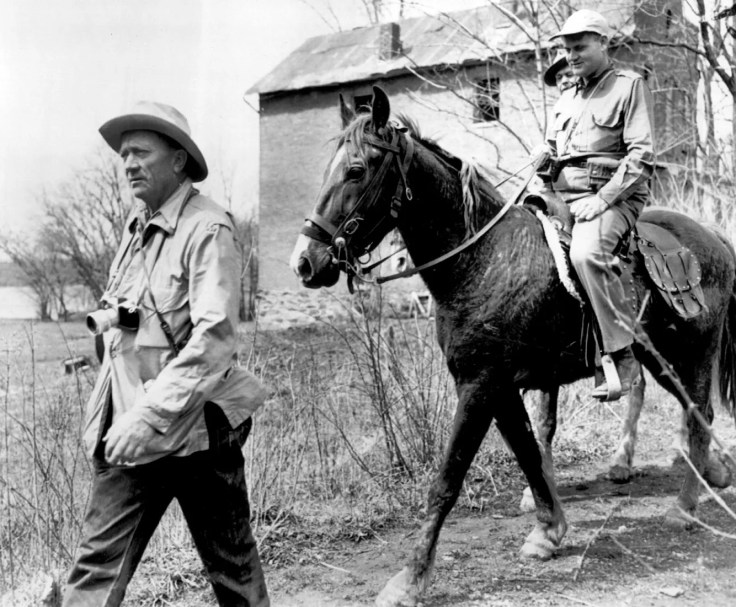
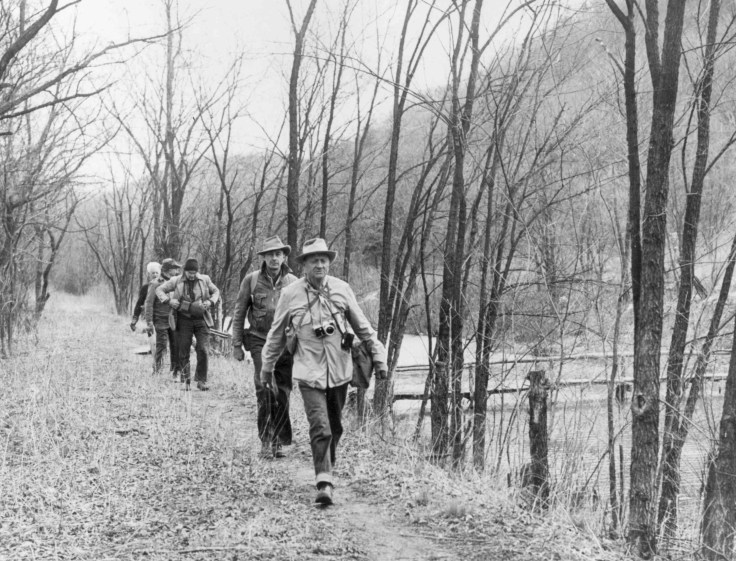
Douglas grew up in Yakima, Washington, where he hiked the mountains of the Cascade Range to strengthen legs weakened by childhood illness. Douglas moved to the east coast for law school and, at age 40, became one of the youngest justices ever appointed to the U.S. Supreme Court. Douglas kept up his active lifestyle in Washington, D.C. He often spent Sunday afternoons hiking 15 or 20 miles along the nearby C&O Canal.
Then, in the spring of 1954, the Washington Post published an editorial calling to pave the C&O Canal towpath as a scenic highway — Douglas was outraged. In a public letter to the editors of the Post, he challenged them to join him on a thru-hike of the 184.5-mile towpath. “I feel that if your editor did, he would return a new man and use the power of your great editorial page to help keep this sanctuary untouched.”
Washington Post editors Merlo Pusey and Robert Estabrook accepted Douglas’ challenge and set a start date of March 20th. Over 50 reporters, photographers, conservationists, and hikers joined them to begin the hike in Cumberland, Maryland.
Douglas set an ambitious itinerary from the start. He arrived dressed like “a nature lover who fully expects nature to fight back,” wearing “Levis, green wool shirt, high-cut boots, poplin jacket, two cameras and a musette bag.” He led the group each day, setting a brisk 4-mile-an-hour pace. On the second day, Douglas planned to cover 29 miles (VMO), but a spring snowstorm forced him to settle for a mere 21 miles (MO W2).
Associated Press reporters filed daily dispatches chronicling the mileage and terrain. The Washington Post ran the story on their front page, just below coverage of the McCarthy hearings. Many of the reporters chose to hitch in shuttles provided by the Appalachian Trail Club rather than keep up with Douglas’ 23-mile-a-day average.
At camp, hikers listened to lectures on plant identification or Potomac geology. Douglas told hair-raising stories of his western adventures, including a method for lassoing mountain lions (the trick was to “yank him to the ground” and “twist his tail in a clockwise motion”). On the last night of the trip, Douglas organized a campfire committee to draft legislation for preserving the C&O Canal as a national park.
Douglas and his party arrived in Georgetown on March 28th. Of the original 58, only 9 hikers completed the whole trail (including Douglas). Thanks in large part to his efforts, the canal remained unpaved. Congress created the Chesapeake and Ohio Canal National Historical Park in 1971.
It was not the last time “Wild Bill” Douglas used hiking for environmental advocacy. He led similar publicity hikes in Washington, Kentucky, Illinois, and Arkansas. In 1967, he led over 1,000 people on a hike to save Sunfish Pond along the New Jersey Appalachian Trail. Today, a bust of Douglass sits near the C&O Canal visitor center in Georgetown, honoring “the man who saved the canal.”
Dig Deeper:
Read Douglas’ letter to the editors of the Washington Post
 DC UL Backpacking
Leave a comment